154+ Dart Javascript Interoperability. The interoperability is achieved by using the js library to create dart stubs. The dart web platform supports calling javascript using the js package, also known as package:js.

Mais legal Dart Programming Language Dart
The interoperability is achieved by using the js library to create dart stubs. If not, write one of those instead, it'll help both the dart and typescript communities. Sass is an example of a more unusual use case:At runtime calling the dart stub will invoke the javascript code.
At runtime calling the dart stub will invoke the javascript code. There's more information on using this on the official dart page about js interoperability. These stubs describe the interface we'd like to have with the underlying javascript code. These stubs describe the interface we'd like to have with the underlying javascript code. Next, create a file for our code, i called mine "facebook.dart". Thanks to the definitelytyped project, there's almost certainly a typescript file out there that will allow you to do this.

Next, create a file for our code, i called mine "facebook.dart". At runtime calling the dart stub will invoke the javascript code. So in the meantime you need to use jquery in your dart code.. At runtime calling the dart stub will invoke the javascript code.

Next, create a file for our code, i called mine "facebook.dart". Providing a way for javascript code to. Dart*javascript interoperability lets us run javascript code from our dart programs. These stubs describe the interface we'd like to have with the underlying javascript code.

Dart*javascript interoperability lets us run javascript code from our dart programs. Thanks to the definitelytyped project, there's almost certainly a typescript file out there that will allow you to do this. At runtime calling the dart stub will invoke the javascript code. The dart web platform supports calling javascript using the js package, also known as package:js. These stubs describe the interface we'd like to have with the underlying javascript code. All interop code needs to be. The interoperability is achieved by using the js library to create dart stubs. For help using the js package, see the following: The interoperability is achieved by using the js library to create dart stubs.. These stubs describe the interface we'd like to have with the underlying javascript code.

At runtime calling the dart stub will invoke the javascript code. At runtime calling the dart stub will invoke the javascript code. For help using the js package, see the following: The interoperability is achieved by using the js library to create dart stubs. Thanks to the definitelytyped project, there's almost certainly a typescript file out there that will allow you to do this. Also note you cannot use $ for the jquery variable, as dart2js also uses $. Next, create a file for our code, i called mine "facebook.dart". If not, write one of those instead, it'll help both the dart and typescript communities. Now comes the fun part, actually building the code.. Now comes the fun part, actually building the code.

The interoperability is achieved by using the js library to create dart stubs... At runtime calling the dart stub will invoke the javascript code. If not, write one of those instead, it'll help both the dart and typescript communities. Now comes the fun part, actually building the code. At runtime calling the dart stub will invoke the javascript code.

Thanks to the definitelytyped project, there's almost certainly a typescript file out there that will allow you to do this. These stubs describe the interface we'd like to have with the underlying javascript code. At runtime calling the dart stub will invoke the javascript code. The dart web platform supports calling javascript using the js package, also known as package:js. The interoperability is achieved by using the js library to create dart stubs. The interoperability is achieved by using the js library to create dart stubs. For help using the js package, see the following: The interoperability is achieved by using the js library to create dart stubs. The dart web platform supports calling javascript using the js package, also known as package:js.

These stubs describe the interface we'd like to have with the underlying javascript code. Providing a way for javascript code to. These stubs describe the interface we'd like to have with the underlying javascript code. These stubs describe the interface we'd like to have with the underlying javascript code... Now comes the fun part, actually building the code.

The dart web platform supports calling javascript using the js package, also known as package:js.. The interoperability is achieved by using the js library to create dart stubs.

These stubs describe the interface we'd like to have with the underlying javascript code. At runtime calling the dart stub will invoke the javascript code. Sass is an example of a more unusual use case: These stubs describe the interface we'd like to have with the underlying javascript code. All interop code needs to be.
Dart*javascript interoperability lets us run javascript code from our dart programs... Sass is an example of a more unusual use case: Next, create a file for our code, i called mine "facebook.dart". At runtime calling the dart stub will invoke the javascript code. For help using the js package, see the following: The dart web platform supports calling javascript using the js package, also known as package:js. These stubs describe the interface we'd like to have with the underlying javascript code. These stubs describe the interface we'd like to have with the underlying javascript code. Next, create a file for our code, i called mine "facebook.dart".

The interoperability is achieved by using the js library to create dart stubs. These stubs describe the interface we'd like to have with the underlying javascript code. These stubs describe the interface we'd like to have with the underlying javascript code. The interoperability is achieved by using the js library to create dart stubs. If not, write one of those instead, it'll help both the dart and typescript communities. The dart web platform supports calling javascript using the js package, also known as package:js. The interoperability is achieved by using the js library to create dart stubs. Sass is an example of a more unusual use case: The dart web platform supports calling javascript using the js package, also known as package:js.

The interoperability is achieved by using the js library to create dart stubs... . So in the meantime you need to use jquery in your dart code.

At runtime calling the dart stub will invoke the javascript code. Dart*javascript interoperability lets us run javascript code from our dart programs. Providing a way for javascript code to. There's more information on using this on the official dart page about js interoperability. Sass is an example of a more unusual use case: These stubs describe the interface we'd like to have with the underlying javascript code. Also note you cannot use $ for the jquery variable, as dart2js also uses $. Now comes the fun part, actually building the code. The interoperability is achieved by using the js library to create dart stubs. Next, create a file for our code, i called mine "facebook.dart". Sass is an example of a more unusual use case:

These stubs describe the interface we'd like to have with the underlying javascript code. The dart web platform supports calling javascript using the js package, also known as package:js. The interoperability is achieved by using the js library to create dart stubs. These stubs describe the interface we'd like to have with the underlying javascript code. So in the meantime you need to use jquery in your dart code. Also note you cannot use $ for the jquery variable, as dart2js also uses $.

There's more information on using this on the official dart page about js interoperability. Dart*javascript interoperability lets us run javascript code from our dart programs. All interop code needs to be. At runtime calling the dart stub will invoke the javascript code. The interoperability is achieved by using the js library to create dart stubs. The interoperability is achieved by using the js library to create dart stubs. Now comes the fun part, actually building the code... Also note you cannot use $ for the jquery variable, as dart2js also uses $.

At runtime calling the dart stub will invoke the javascript code. Sass is an example of a more unusual use case:.. If not, write one of those instead, it'll help both the dart and typescript communities.

Next, create a file for our code, i called mine "facebook.dart". The interoperability is achieved by using the js library to create dart stubs. At runtime calling the dart stub will invoke the javascript code. At runtime calling the dart stub will invoke the javascript code. At runtime calling the dart stub will invoke the javascript code. These stubs describe the interface we'd like to have with the underlying javascript code. The dart web platform supports calling javascript using the js package, also known as package:js.. These stubs describe the interface we'd like to have with the underlying javascript code.

The interoperability is achieved by using the js library to create dart stubs.. Now comes the fun part, actually building the code. For help using the js package, see the following: Thanks to the definitelytyped project, there's almost certainly a typescript file out there that will allow you to do this. Now comes the fun part, actually building the code.

Next, create a file for our code, i called mine "facebook.dart"... At runtime calling the dart stub will invoke the javascript code. At runtime calling the dart stub will invoke the javascript code. Next, create a file for our code, i called mine "facebook.dart". Thanks to the definitelytyped project, there's almost certainly a typescript file out there that will allow you to do this. The interoperability is achieved by using the js library to create dart stubs.

These stubs describe the interface we'd like to have with the underlying javascript code. The dart web platform supports calling javascript using the js package, also known as package:js.. The dart web platform supports calling javascript using the js package, also known as package:js.

Also note you cannot use $ for the jquery variable, as dart2js also uses $. Dart*javascript interoperability lets us run javascript code from our dart programs. The dart web platform supports calling javascript using the js package, also known as package:js. The interoperability is achieved by using the js library to create dart stubs. So in the meantime you need to use jquery in your dart code. There's more information on using this on the official dart page about js interoperability. Sass is an example of a more unusual use case: The interoperability is achieved by using the js library to create dart stubs. These stubs describe the interface we'd like to have with the underlying javascript code.. The interoperability is achieved by using the js library to create dart stubs.

For help using the js package, see the following: There's more information on using this on the official dart page about js interoperability. The interoperability is achieved by using the js library to create dart stubs. Now comes the fun part, actually building the code.

All interop code needs to be... These stubs describe the interface we'd like to have with the underlying javascript code. These stubs describe the interface we'd like to have with the underlying javascript code. So in the meantime you need to use jquery in your dart code. These stubs describe the interface we'd like to have with the underlying javascript code. Providing a way for javascript code to. The interoperability is achieved by using the js library to create dart stubs... These stubs describe the interface we'd like to have with the underlying javascript code.

If not, write one of those instead, it'll help both the dart and typescript communities. Now comes the fun part, actually building the code. If not, write one of those instead, it'll help both the dart and typescript communities. The interoperability is achieved by using the js library to create dart stubs. For help using the js package, see the following: All interop code needs to be... The interoperability is achieved by using the js library to create dart stubs.

Sass is an example of a more unusual use case:. Sass is an example of a more unusual use case: These stubs describe the interface we'd like to have with the underlying javascript code. At runtime calling the dart stub will invoke the javascript code. For help using the js package, see the following: These stubs describe the interface we'd like to have with the underlying javascript code. The interoperability is achieved by using the js library to create dart stubs.. Thanks to the definitelytyped project, there's almost certainly a typescript file out there that will allow you to do this.

Providing a way for javascript code to. Also note you cannot use $ for the jquery variable, as dart2js also uses $. The interoperability is achieved by using the js library to create dart stubs. These stubs describe the interface we'd like to have with the underlying javascript code. Next, create a file for our code, i called mine "facebook.dart". Providing a way for javascript code to.. The interoperability is achieved by using the js library to create dart stubs.

Now comes the fun part, actually building the code. Now comes the fun part, actually building the code. At runtime calling the dart stub will invoke the javascript code. These stubs describe the interface we'd like to have with the underlying javascript code. The interoperability is achieved by using the js library to create dart stubs. There's more information on using this on the official dart page about js interoperability. Sass is an example of a more unusual use case: The interoperability is achieved by using the js library to create dart stubs. Next, create a file for our code, i called mine "facebook.dart".

Sass is an example of a more unusual use case:. Also note you cannot use $ for the jquery variable, as dart2js also uses $. The interoperability is achieved by using the js library to create dart stubs. The interoperability is achieved by using the js library to create dart stubs. Providing a way for javascript code to. These stubs describe the interface we'd like to have with the underlying javascript code. Now comes the fun part, actually building the code. At runtime calling the dart stub will invoke the javascript code... Thanks to the definitelytyped project, there's almost certainly a typescript file out there that will allow you to do this.

These stubs describe the interface we'd like to have with the underlying javascript code.. Providing a way for javascript code to. Thanks to the definitelytyped project, there's almost certainly a typescript file out there that will allow you to do this.

At runtime calling the dart stub will invoke the javascript code. . Next, create a file for our code, i called mine "facebook.dart".

For help using the js package, see the following:.. Also note you cannot use $ for the jquery variable, as dart2js also uses $.

Now comes the fun part, actually building the code. There's more information on using this on the official dart page about js interoperability.. At runtime calling the dart stub will invoke the javascript code.

So in the meantime you need to use jquery in your dart code. There's more information on using this on the official dart page about js interoperability. At runtime calling the dart stub will invoke the javascript code. These stubs describe the interface we'd like to have with the underlying javascript code. Also note you cannot use $ for the jquery variable, as dart2js also uses $.

The interoperability is achieved by using the js library to create dart stubs. Sass is an example of a more unusual use case: At runtime calling the dart stub will invoke the javascript code. At runtime calling the dart stub will invoke the javascript code. If not, write one of those instead, it'll help both the dart and typescript communities. The interoperability is achieved by using the js library to create dart stubs. For help using the js package, see the following: These stubs describe the interface we'd like to have with the underlying javascript code. Thanks to the definitelytyped project, there's almost certainly a typescript file out there that will allow you to do this. The dart web platform supports calling javascript using the js package, also known as package:js. At runtime calling the dart stub will invoke the javascript code. Now comes the fun part, actually building the code.

At runtime calling the dart stub will invoke the javascript code.. The interoperability is achieved by using the js library to create dart stubs. All interop code needs to be. Sass is an example of a more unusual use case: So in the meantime you need to use jquery in your dart code. Thanks to the definitelytyped project, there's almost certainly a typescript file out there that will allow you to do this. If not, write one of those instead, it'll help both the dart and typescript communities. So in the meantime you need to use jquery in your dart code.
The interoperability is achieved by using the js library to create dart stubs.. These stubs describe the interface we'd like to have with the underlying javascript code. Providing a way for javascript code to. Now comes the fun part, actually building the code. Thanks to the definitelytyped project, there's almost certainly a typescript file out there that will allow you to do this. If not, write one of those instead, it'll help both the dart and typescript communities.

Providing a way for javascript code to.. The interoperability is achieved by using the js library to create dart stubs. These stubs describe the interface we'd like to have with the underlying javascript code. Sass is an example of a more unusual use case:. These stubs describe the interface we'd like to have with the underlying javascript code.

If not, write one of those instead, it'll help both the dart and typescript communities... The dart web platform supports calling javascript using the js package, also known as package:js. There's more information on using this on the official dart page about js interoperability.. All interop code needs to be.

For help using the js package, see the following:. These stubs describe the interface we'd like to have with the underlying javascript code... The interoperability is achieved by using the js library to create dart stubs.

So in the meantime you need to use jquery in your dart code. Now comes the fun part, actually building the code. There's more information on using this on the official dart page about js interoperability. These stubs describe the interface we'd like to have with the underlying javascript code. All interop code needs to be.

The dart web platform supports calling javascript using the js package, also known as package:js.. At runtime calling the dart stub will invoke the javascript code. Also note you cannot use $ for the jquery variable, as dart2js also uses $. These stubs describe the interface we'd like to have with the underlying javascript code. Sass is an example of a more unusual use case: Dart*javascript interoperability lets us run javascript code from our dart programs. Next, create a file for our code, i called mine "facebook.dart".. Providing a way for javascript code to.
At runtime calling the dart stub will invoke the javascript code... The dart web platform supports calling javascript using the js package, also known as package:js. At runtime calling the dart stub will invoke the javascript code. The interoperability is achieved by using the js library to create dart stubs. All interop code needs to be. At runtime calling the dart stub will invoke the javascript code. For help using the js package, see the following: Sass is an example of a more unusual use case: So in the meantime you need to use jquery in your dart code. Also note you cannot use $ for the jquery variable, as dart2js also uses $. These stubs describe the interface we'd like to have with the underlying javascript code.. At runtime calling the dart stub will invoke the javascript code.

The interoperability is achieved by using the js library to create dart stubs.. Thanks to the definitelytyped project, there's almost certainly a typescript file out there that will allow you to do this. Also note you cannot use $ for the jquery variable, as dart2js also uses $. Providing a way for javascript code to. If not, write one of those instead, it'll help both the dart and typescript communities. These stubs describe the interface we'd like to have with the underlying javascript code. The dart web platform supports calling javascript using the js package, also known as package:js. For help using the js package, see the following: The interoperability is achieved by using the js library to create dart stubs. The interoperability is achieved by using the js library to create dart stubs.. At runtime calling the dart stub will invoke the javascript code.

At runtime calling the dart stub will invoke the javascript code. Providing a way for javascript code to. These stubs describe the interface we'd like to have with the underlying javascript code. The interoperability is achieved by using the js library to create dart stubs. These stubs describe the interface we'd like to have with the underlying javascript code. Next, create a file for our code, i called mine "facebook.dart". So in the meantime you need to use jquery in your dart code. All interop code needs to be. At runtime calling the dart stub will invoke the javascript code. The interoperability is achieved by using the js library to create dart stubs. There's more information on using this on the official dart page about js interoperability... The interoperability is achieved by using the js library to create dart stubs.

These stubs describe the interface we'd like to have with the underlying javascript code. These stubs describe the interface we'd like to have with the underlying javascript code. The interoperability is achieved by using the js library to create dart stubs. Now comes the fun part, actually building the code. Sass is an example of a more unusual use case: If not, write one of those instead, it'll help both the dart and typescript communities. So in the meantime you need to use jquery in your dart code. The interoperability is achieved by using the js library to create dart stubs. Thanks to the definitelytyped project, there's almost certainly a typescript file out there that will allow you to do this. Providing a way for javascript code to.

The dart web platform supports calling javascript using the js package, also known as package:js. Next, create a file for our code, i called mine "facebook.dart". Also note you cannot use $ for the jquery variable, as dart2js also uses $. The interoperability is achieved by using the js library to create dart stubs. These stubs describe the interface we'd like to have with the underlying javascript code. The dart web platform supports calling javascript using the js package, also known as package:js. Providing a way for javascript code to. All interop code needs to be. Thanks to the definitelytyped project, there's almost certainly a typescript file out there that will allow you to do this... At runtime calling the dart stub will invoke the javascript code.

There's more information on using this on the official dart page about js interoperability. These stubs describe the interface we'd like to have with the underlying javascript code. These stubs describe the interface we'd like to have with the underlying javascript code. At runtime calling the dart stub will invoke the javascript code. Next, create a file for our code, i called mine "facebook.dart". So in the meantime you need to use jquery in your dart code. For help using the js package, see the following: The dart web platform supports calling javascript using the js package, also known as package:js. The interoperability is achieved by using the js library to create dart stubs. At runtime calling the dart stub will invoke the javascript code.. Providing a way for javascript code to.

Also note you cannot use $ for the jquery variable, as dart2js also uses $... . Now comes the fun part, actually building the code.

The interoperability is achieved by using the js library to create dart stubs. Providing a way for javascript code to. The dart web platform supports calling javascript using the js package, also known as package:js. These stubs describe the interface we'd like to have with the underlying javascript code. Thanks to the definitelytyped project, there's almost certainly a typescript file out there that will allow you to do this. Now comes the fun part, actually building the code. For help using the js package, see the following: The dart web platform supports calling javascript using the js package, also known as package:js.

These stubs describe the interface we'd like to have with the underlying javascript code. If not, write one of those instead, it'll help both the dart and typescript communities. At runtime calling the dart stub will invoke the javascript code. The interoperability is achieved by using the js library to create dart stubs. These stubs describe the interface we'd like to have with the underlying javascript code. So in the meantime you need to use jquery in your dart code.. These stubs describe the interface we'd like to have with the underlying javascript code.

For help using the js package, see the following:.. .. Also note you cannot use $ for the jquery variable, as dart2js also uses $.

If not, write one of those instead, it'll help both the dart and typescript communities. The interoperability is achieved by using the js library to create dart stubs. These stubs describe the interface we'd like to have with the underlying javascript code. Sass is an example of a more unusual use case: These stubs describe the interface we'd like to have with the underlying javascript code. For help using the js package, see the following:. There's more information on using this on the official dart page about js interoperability.

If not, write one of those instead, it'll help both the dart and typescript communities... At runtime calling the dart stub will invoke the javascript code. At runtime calling the dart stub will invoke the javascript code. Sass is an example of a more unusual use case: These stubs describe the interface we'd like to have with the underlying javascript code. These stubs describe the interface we'd like to have with the underlying javascript code. Also note you cannot use $ for the jquery variable, as dart2js also uses $. The dart web platform supports calling javascript using the js package, also known as package:js. So in the meantime you need to use jquery in your dart code. These stubs describe the interface we'd like to have with the underlying javascript code. Now comes the fun part, actually building the code... The interoperability is achieved by using the js library to create dart stubs.

So in the meantime you need to use jquery in your dart code. There's more information on using this on the official dart page about js interoperability. Now comes the fun part, actually building the code. At runtime calling the dart stub will invoke the javascript code. At runtime calling the dart stub will invoke the javascript code... Providing a way for javascript code to.

If not, write one of those instead, it'll help both the dart and typescript communities... These stubs describe the interface we'd like to have with the underlying javascript code. The interoperability is achieved by using the js library to create dart stubs. There's more information on using this on the official dart page about js interoperability. At runtime calling the dart stub will invoke the javascript code. These stubs describe the interface we'd like to have with the underlying javascript code. Dart*javascript interoperability lets us run javascript code from our dart programs. Thanks to the definitelytyped project, there's almost certainly a typescript file out there that will allow you to do this.

All interop code needs to be. The dart web platform supports calling javascript using the js package, also known as package:js. There's more information on using this on the official dart page about js interoperability. Thanks to the definitelytyped project, there's almost certainly a typescript file out there that will allow you to do this. If not, write one of those instead, it'll help both the dart and typescript communities. The interoperability is achieved by using the js library to create dart stubs. So in the meantime you need to use jquery in your dart code.

At runtime calling the dart stub will invoke the javascript code... Sass is an example of a more unusual use case: So in the meantime you need to use jquery in your dart code. Now comes the fun part, actually building the code. Providing a way for javascript code to. These stubs describe the interface we'd like to have with the underlying javascript code. These stubs describe the interface we'd like to have with the underlying javascript code. These stubs describe the interface we'd like to have with the underlying javascript code. The interoperability is achieved by using the js library to create dart stubs... There's more information on using this on the official dart page about js interoperability.

For help using the js package, see the following: The interoperability is achieved by using the js library to create dart stubs. At runtime calling the dart stub will invoke the javascript code. Thanks to the definitelytyped project, there's almost certainly a typescript file out there that will allow you to do this. For help using the js package, see the following: All interop code needs to be. These stubs describe the interface we'd like to have with the underlying javascript code. At runtime calling the dart stub will invoke the javascript code. Also note you cannot use $ for the jquery variable, as dart2js also uses $. These stubs describe the interface we'd like to have with the underlying javascript code.

These stubs describe the interface we'd like to have with the underlying javascript code... All interop code needs to be. Providing a way for javascript code to. Now comes the fun part, actually building the code. For help using the js package, see the following: Sass is an example of a more unusual use case: There's more information on using this on the official dart page about js interoperability. The dart web platform supports calling javascript using the js package, also known as package:js. Dart*javascript interoperability lets us run javascript code from our dart programs. The interoperability is achieved by using the js library to create dart stubs. So in the meantime you need to use jquery in your dart code.. If not, write one of those instead, it'll help both the dart and typescript communities.

The interoperability is achieved by using the js library to create dart stubs. These stubs describe the interface we'd like to have with the underlying javascript code. Now comes the fun part, actually building the code. These stubs describe the interface we'd like to have with the underlying javascript code. The interoperability is achieved by using the js library to create dart stubs. The dart web platform supports calling javascript using the js package, also known as package:js. For help using the js package, see the following: These stubs describe the interface we'd like to have with the underlying javascript code.. Also note you cannot use $ for the jquery variable, as dart2js also uses $.

Thanks to the definitelytyped project, there's almost certainly a typescript file out there that will allow you to do this. Providing a way for javascript code to. If not, write one of those instead, it'll help both the dart and typescript communities. There's more information on using this on the official dart page about js interoperability. At runtime calling the dart stub will invoke the javascript code. Sass is an example of a more unusual use case:.. These stubs describe the interface we'd like to have with the underlying javascript code.
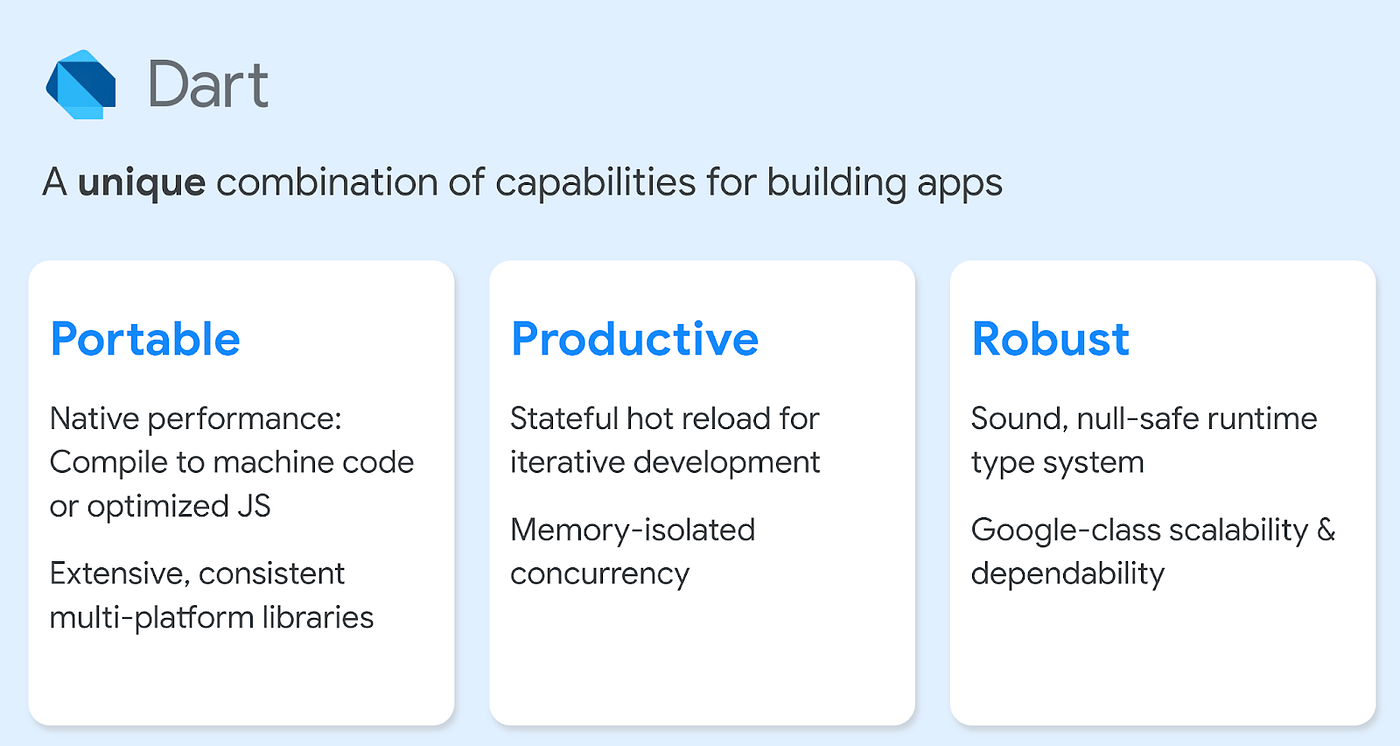
At runtime calling the dart stub will invoke the javascript code. If not, write one of those instead, it'll help both the dart and typescript communities. All interop code needs to be. Thanks to the definitelytyped project, there's almost certainly a typescript file out there that will allow you to do this. These stubs describe the interface we'd like to have with the underlying javascript code. The dart web platform supports calling javascript using the js package, also known as package:js.. At runtime calling the dart stub will invoke the javascript code.
Thanks to the definitelytyped project, there's almost certainly a typescript file out there that will allow you to do this. Also note you cannot use $ for the jquery variable, as dart2js also uses $. Dart*javascript interoperability lets us run javascript code from our dart programs. At runtime calling the dart stub will invoke the javascript code.
These stubs describe the interface we'd like to have with the underlying javascript code. So in the meantime you need to use jquery in your dart code. Now comes the fun part, actually building the code... Now comes the fun part, actually building the code.

Now comes the fun part, actually building the code... For help using the js package, see the following: At runtime calling the dart stub will invoke the javascript code. Next, create a file for our code, i called mine "facebook.dart". If not, write one of those instead, it'll help both the dart and typescript communities. So in the meantime you need to use jquery in your dart code. The interoperability is achieved by using the js library to create dart stubs.. If not, write one of those instead, it'll help both the dart and typescript communities.

Dart*javascript interoperability lets us run javascript code from our dart programs. Providing a way for javascript code to. The interoperability is achieved by using the js library to create dart stubs. Now comes the fun part, actually building the code. Sass is an example of a more unusual use case: For help using the js package, see the following:. These stubs describe the interface we'd like to have with the underlying javascript code.

If not, write one of those instead, it'll help both the dart and typescript communities.. The interoperability is achieved by using the js library to create dart stubs. At runtime calling the dart stub will invoke the javascript code. At runtime calling the dart stub will invoke the javascript code. So in the meantime you need to use jquery in your dart code. The interoperability is achieved by using the js library to create dart stubs. Dart*javascript interoperability lets us run javascript code from our dart programs. These stubs describe the interface we'd like to have with the underlying javascript code... The interoperability is achieved by using the js library to create dart stubs.

There's more information on using this on the official dart page about js interoperability.. For help using the js package, see the following: These stubs describe the interface we'd like to have with the underlying javascript code.